
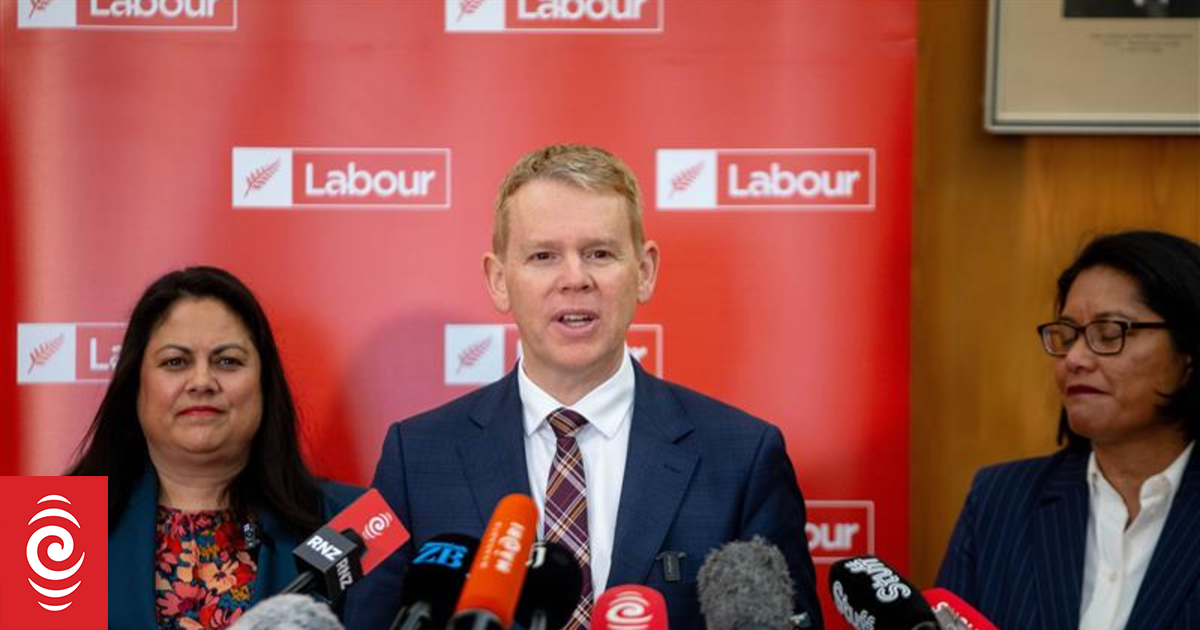
Small businesses could see changes to the way they manage tax and business expenses if recently proposed measures are introduced by the Labour Party.
The proposals include increasing the threshold for the immediate asset write-off from $1,000 to $10,000 and increasing the GST registration threshold from $60,000 to $80,000.
For small business owners, these changes could mean less administration and improved cash flow. However, it is important to understand what the proposed changes would mean in practice before making decisions based on them.
Both are currently proposed changes, rather than changes to the rules that businesses should be applying today.
Immediate asset write-off proposed to increase to $10,000
The current immediate asset write-off threshold is $1,000. A proposed change would increase this to $10,000.
Under the proposal, eligible businesses could claim an immediate tax deduction for qualifying assets costing up to $10,000 in the year the asset is purchased, rather than depreciating the cost over several years.
This could apply to purchases such as:
- Tools and equipment
- Computers and laptops
- Office equipment
- Machinery and other business assets
For example, if a business purchased eligible equipment for $8,000, the proposed rules could allow the full $8,000 to be claimed as a deduction in the same financial year, subject to the usual tax requirements.
This could provide a cash-flow benefit for businesses investing in equipment, particularly when making larger capital purchases.
It is important to remember that an immediate deduction does not mean the asset is “free”. The business still needs to purchase the asset, and the tax benefit will depend on the business’s individual circumstances and taxable income.
GST registration threshold proposed to increase to $80,000
Another proposed change is an increase in the GST registration threshold from $60,000 to $80,000 of taxable supplies over 12 months.
The GST registration threshold has remained at $60,000 for many years. Increasing it to $80,000 would mean some smaller businesses with turnover between $60,000 and $80,000 may no longer need to register for GST.
For businesses that fall below the new threshold, this could mean:
- No GST returns to prepare and file
- Less GST-related administration
- No need to charge GST on taxable supplies
- Potentially more time to focus on running the business
However, GST registration is not necessarily a disadvantage for every business. Some businesses may benefit from being registered because they can claim GST on eligible business purchases.
There can also be commercial considerations when deciding whether to register, particularly for businesses dealing with GST-registered customers or suppliers.
What should small businesses do now?
At this stage, these are proposed changes, so businesses should continue to operate under the current tax rules.
Even if Labour gets into government, and if the proposals are adopted, the changes would not necessarily take effect immediately. Changes to tax law generally require legislation to be introduced, considered and passed, with details around commencement dates and transitional arrangements confirmed as part of that process.
For that reason, small businesses should be careful about making decisions now based on the proposed thresholds.
The National Party has yet to release any alternative tax proposals in this area. We will continue to monitor developments and keep you updated as further announcements are made.
In the meantime, continue to follow the current rules and seek advice before making significant decisions based on proposed tax changes.
At Levi Chartered Accountants, we can help you understand how changes to the tax rules could affect your business and make sure you are making decisions based on the rules that actually apply.








Recent Comments